Doctors Reveal That Eating Walnuts Causes Remarkable Changes in the Brain and Body
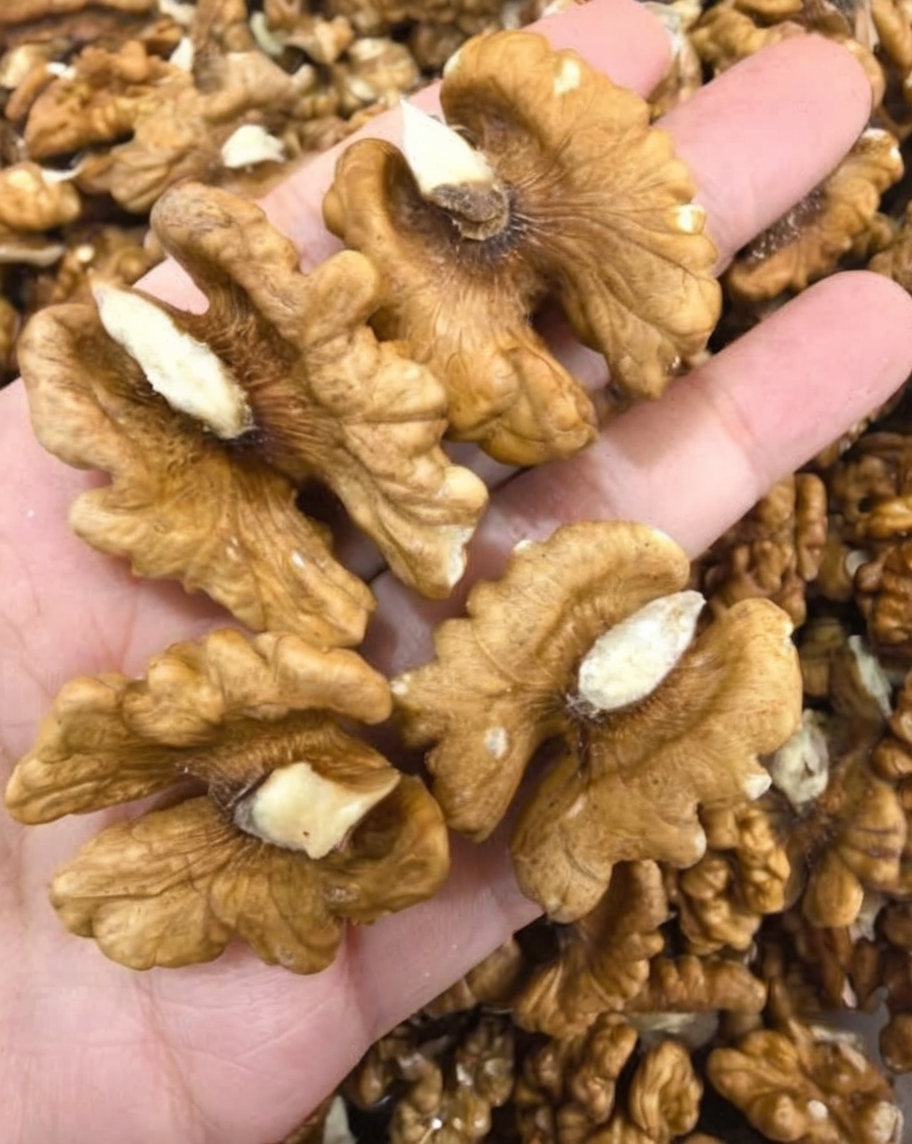
There is a quiet, natural intelligence found in the shape of a walnut. Often noted for its striking resemblance to the human brain, this humble tree nut has long been a staple of Mediterranean diets, but recent medical insights have elevated it from a simple snack to a nutritional powerhouse.
This discovery is a celebration of how small, daily habits can lead to profound long-term wellness. For those seeking to sharpen their focus or protect their heart, the walnut offers a bridge between ancient dietary wisdom and modern clinical science. It is the kind of food that feels like an investment in your future self.
This research matters because it empowers us to take control of our health through the pantry rather than the pharmacy. By understanding the remarkable shifts that occur when we incorporate walnuts into our routine, we can find a sense of ease and confidence in our journey toward a vibrant, balanced life.
Ingredients
-
1/4 cup Raw walnuts (Shelled)
-
1 medium Apple or pear (Sliced for pairing)
-
1 teaspoon Honey (Optional for a touch of sweetness)
-
A pinch of Sea salt (To enhance natural oils)
-
(Optional: 1/2 cup Greek yogurt for a complete breakfast)
Instructions
-
Measure out a single serving of raw, unsalted walnuts, which is typically about 7 to 10 whole halves.
-
If you prefer a richer flavor, lightly toast the walnuts in a dry skillet over medium heat for 3 to 5 minutes.
-
Stir the walnuts constantly during toasting to prevent the delicate oils from scorching.
-
Remove the walnuts from the heat as soon as they become aromatic and turn a pale golden brown.
-
Allow the nuts to cool for 2 minutes to let the exterior regain its signature crunch.
-
Slice your fresh fruit and arrange the walnuts alongside for a balanced snack.
-
If using yogurt, swirl in the honey and top with the walnuts and fruit slices.
-
Consume the walnuts during your mid-morning or mid-afternoon energy lull for maximum benefit.
-
Repeat this ritual daily to allow the nutrients to accumulate in your system.
-
Store the remaining walnuts in a cool, dark place or the refrigerator to maintain freshness.
Why This Recipe Works
-
Walnuts are uniquely high in alpha-linolenic acid (ALA), a plant-based omega-3 fatty acid that is essential for maintaining the structural integrity of brain cells.
-
The combination of healthy fats, fiber, and protein provides a steady release of energy, preventing the “sugar crashes” often associated with processed snacks.
-
Doctors have found that the specific antioxidants in walnuts, such as polyphenols, help combat oxidative stress and inflammation in both the brain and the arteries.
-
Eating them in their raw or lightly toasted state preserves the heat-sensitive vitamins and minerals that are often lost in heavy processing.
Tips for Best Results
Keep the skin on. That slightly bitter, papery thin skin surrounding the walnut meat contains nearly 90% of the nut’s total antioxidants, so avoid peeling them.
Store your walnuts in the refrigerator or freezer. Because of their high oil content, walnuts can turn rancid quickly if left in a warm pantry. Cold storage keeps the fats stable and the flavor sweet.
Practice portion control. While they are incredibly healthy, walnuts are calorie-dense. Sticking to the doctor-recommended “handful” a day ensures you get the benefits without overindulging.
Variations & Substitutions
For a “Savory Brain-Boost,” toss the walnuts in a tiny amount of olive oil and a sprinkle of rosemary before toasting. Rosemary is also linked to improved memory and focus.
If you have a nut allergy, doctors often recommend pumpkin seeds (pepitas) as a substitute, as they are also high in magnesium and zinc, which support brain health.
To create a “Sleep-Well Snack,” eat your walnuts about an hour before bed. They are a natural source of melatonin, the hormone that regulates your internal clock and sleep quality.
Frequently Asked Questions
How long does it take to see changes?
Most clinical studies show that improvements in arterial function can occur within hours, while cognitive benefits and cholesterol changes usually become measurable after 4 to 8 weeks of daily consumption.
Can I use walnut oil instead?
Walnut oil provides the healthy fats but lacks the fiber and many of the antioxidants found in the whole nut. For the full spectrum of benefits, doctors recommend the whole food.
Are roasted walnuts as healthy as raw?
Light toasting is fine, but heavy roasting at high temperatures can damage the delicate omega-3 fatty acids. If buying pre-packaged, look for “raw” or “dry-roasted.”
Do walnuts help with weight loss?
Surprisingly, yes. Doctors have observed that walnuts help regulate appetite by stimulating a part of the brain that controls cravings, making you feel fuller for longer.
There is a quiet, enduring comfort in knowing that nature provides exactly what we need to thrive. Incorporating walnuts into your diet is a simple act of self-care that honors both the body and the mind. We hope this small, crunchy addition to your day brings a renewed sense of clarity and vitality to your life.