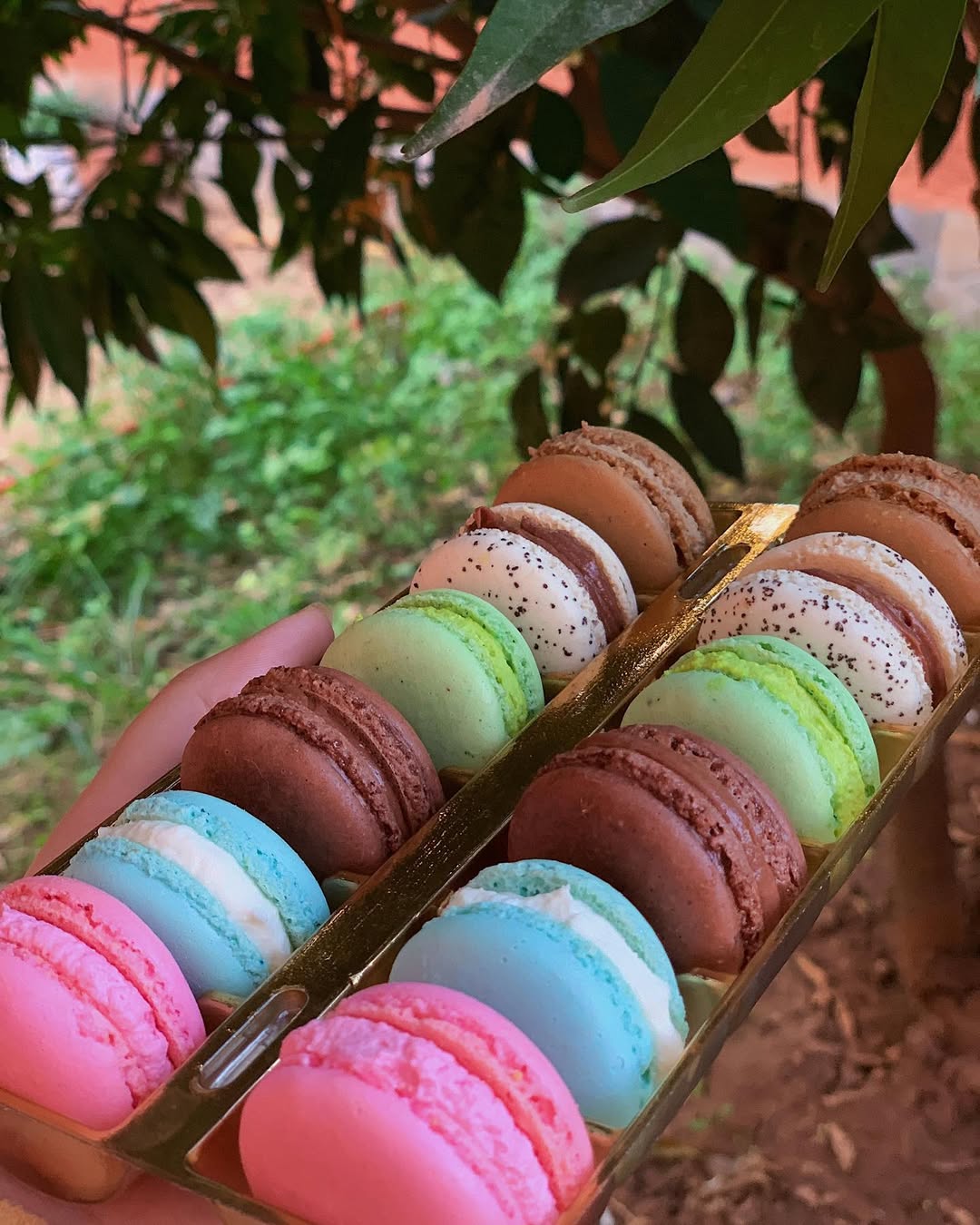
Foolproof Homemade Macarons: The Elegant French Treat You Can Master at Home
There is a unique sense of pride that comes with pulling a tray of perfectly smooth, ruffled-foot cookies out of the oven. Macarons have a reputation for being temperamental, but they are truly just a labor of love that rewards patience with an incredible, delicate crunch.
This recipe matters because it demystifies the process, breaking down the intimidating “macaronage” into simple, manageable steps. It is a wonderful way to celebrate a special occasion or simply treat yourself to a bakery-quality dessert without leaving your own kitchen.
Whether you are gifting a colorful box to a friend or enjoying one with your afternoon tea, these homemade macarons are a testament to the beauty of slow baking. They provide a sophisticated canvas for endless flavors, making them a delightful project for any aspiring home baker.
Ingredients
-
1 3/4 cups Powdered Sugar (finely sifted)
-
1 cup Almond Flour (finely ground and sifted)
-
3 Large Egg Whites (room temperature)
-
1/4 cup Granulated Sugar (to stabilize the meringue)
-
1/2 teaspoon Vanilla Extract (or other concentrated flavorings)
-
Gel Food Coloring (liquid coloring can ruin the batter consistency)
Instructions
-
Sift the powdered sugar and almond flour together twice through a fine-mesh sieve to ensure a perfectly smooth shell.
-
In a clean glass bowl, whisk the room-temperature egg whites until they become frothy.
-
Gradually add the granulated sugar while whisking on medium-high speed until stiff, glossy peaks form.
-
Fold the dry ingredients into the meringue in three stages using a silicone spatula.
-
Continue folding gently until the batter flows off the spatula in a slow, continuous “ribbon” that disappears back into the bowl after 10 seconds.
-
Transfer the batter to a piping bag fitted with a round tip and pipe 1.5-inch circles onto a parchment-lined baking sheet.
-
Tap the baking sheet firmly on the counter five times to release trapped air bubbles.
-
Let the shells rest at room temperature for 30 to 60 minutes until a dry “skin” forms and they are no longer sticky to the touch.
-
Bake at 300°F (150°C) for 15 to 18 minutes until the shells are set and do not move when lightly touched.
Why This Recipe Works
-
Structural Stability: The ratio of sugar to egg whites creates a sturdy meringue that supports the weight of the almond flour during the bake.
-
Refined Texture: Double-sifting the dry ingredients is the secret to achieving that signature professional, glass-like finish on the shells.
-
Controlled Moisture: Allowing the shells to rest before baking develops the “feet” by forcing the air to escape through the bottom rather than cracking the top.
Tips for Best Results
-
Aged Egg Whites: For the best results, separate your eggs 24 hours in advance and keep the whites in a covered container in the fridge to reduce moisture.
-
Weather Awareness: Avoid making macarons on particularly humid or rainy days, as the excess moisture in the air can prevent the shells from drying properly.
-
Clean Equipment: Ensure your whisk and bowl are completely free of any oil or grease, which can prevent the egg whites from reaching stiff peaks.
Variations & Substitutions
-
Chocolate Shells: Replace 1/4 cup of the almond flour with high-quality unsweetened cocoa powder.
-
Pistachio Macarons: Substitute half of the almond flour with very finely ground pistachio flour for a nutty, green shell.
-
Filling Ideas: Use a classic white chocolate ganache, a tart lemon curd, or a simple salted caramel buttercream to sandwich your shells together.
Frequently Asked Questions
How should I store my macarons?
Macarons actually taste best 24 hours after they are filled. Store them in an airtight container in the refrigerator to allow the shells to soften slightly and absorb the filling’s flavor.
Can I freeze them?
Yes, they freeze beautifully. You can freeze the shells alone or the fully assembled cookies for up to one month in a sturdy, airtight container.
Why did my shells crack?
Cracked tops are usually caused by either trapped air bubbles that weren’t tapped out or by not letting the shells rest long enough to form a dry skin before baking.
Why are they hollow inside?
Hollow shells can occur if the meringue was over-whipped or if the oven temperature was slightly too high, causing the inside to expand and then collapse.
Mastering the art of the macaron is a journey that is as rewarding as it is delicious. There is a quiet joy in the precision of the process and the beauty of the final result. I hope this guide encourages you to embrace the challenge and enjoy the sweet success of your very own homemade batch.